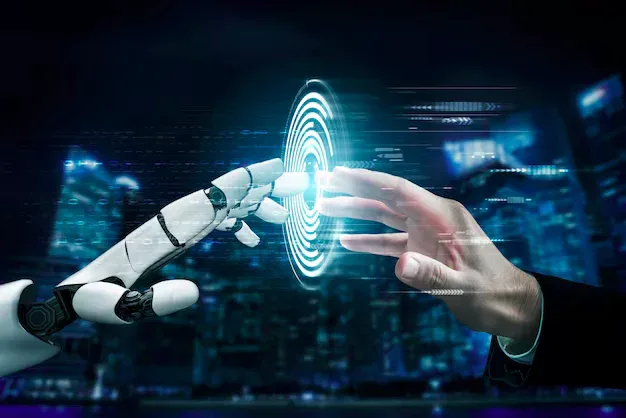
Web 3 and Its Future: Core Concepts
In recent years, two major innovations in the world of internet and technology—web technologies and blockchain—have driven a remarkable transformation. While each of these technologies is powerful and impactful on its own, their combination offers even greater potential. In this article, we will take a detailed look at the foundations of web technologies and blockchain, explore the relationship between them, and examine the possible future impacts of their convergence.
The Evolution of Web Technologies
Web technologies play a central role in the development of the internet. The transition from Web 1.0 to Web 2.0 marked a shift from static pages to dynamic and interactive content, while Web 3.0 is making data and application interactions smarter and more personalized. Web 3.0, often referred to as the "semantic web," aims to make interactions between machines more meaningful and efficient. It focuses on understanding the context and meaning of data to deliver a more intelligent and user-centric web experience.The Fundamentals of Blockchain Technology
Blockchain is a technology that represents a decentralized and transparent data structure. Initially introduced as the foundational technology behind Bitcoin, it has since expanded to a wider range of applications. Blockchain is a structure where data is stored in immutable blocks, and each block is linked to the previous one, forming a chain. This structure ensures security and transparency and provides the ability to validate transactions without the need for a central authority.The Integration of Web and Blockchain
The combination of blockchain technology and the web presents a great potential for the future of the internet. There are several key aspects of this integration:- Decentralization: One of the fundamental principles of Web 3.0 is decentralization. Blockchain supports this principle because data is stored in a distributed network rather than on a central server. This eliminates the risk of a single point of failure and increases the reliability of the system.
- Security: Blockchain technology uses cryptography to ensure data integrity. In web applications, the security of user data and transactions is of critical importance. Web applications integrated with blockchain become more resilient to data manipulation.
- Transparency and Traceability: Blockchain records all transactions and data changes transparently. This feature provides significant advantages, especially for applications such as supply chain management, voting systems, and financial transactions.
- Smart Contracts: Smart contracts are programmable contracts on the blockchain that are automatically executed when certain conditions are met. In web applications, these contracts can automate various business processes and make transactions more efficient.
- Identity Authentication and Management: Decentralized identity authentication solutions allow users to retain control over their identities and data. Websites and applications can make authentication processes more secure and user-friendly through blockchain technology.
"The web connects the entire world, while blockchain provides a secure and transparent foundation for this network, ensuring the accuracy and reliability of digital interactions and transactions at all times."
Future Potential Applications
The combination of web and blockchain technology has the potential to revolutionize many fields:- Decentralized Finance (DeFi): Decentralized finance applications, which can replace traditional financial systems, operate on blockchain and become accessible through the web.
- Web 3.0 Applications: Decentralized applications (dApps) are applications that run on blockchain and allow users to control their data. These types of applications have the potential to redefine the web experience.
- Social Media and Content Platforms Blockchain can enable content creators to directly earn revenue and control the ownership of their content. This could create a new business model on social media platforms.
- Voting Systems: Blockchain technology can make elections and voting processes more reliable and transparent. Secure and traceable voting systems can be created over the web.
- Supply Chain Management: Blockchain-based systems that ensure the transparent tracking of each step in the supply chain can follow the journey of products from their source to the end consumer.